
Six courses! Each meticulously prepared and beautifully plated! Sparkling punch! Three desserts! And, a solid chocolate turkey! It was Thanksgiving 2.0, unfortunately, as the old saying goes, “too much wine before you dine / the photos come out less than fine.” Not a very old saying, but true, nonetheless. And so, of the luscious lobster bisque, asparagus tartare with frizzled leeks and oh-so-elegant balsamic reduction flourishes on the chilled plates, roasted turkey breast with dressing and cranberry-pear sauce, made-from-scratch green bean casserole (no can of condensed cream of mushroom soup, thank you very much), turkey confit and impossibly cheesy aligot, emerald green herb salad, pumpkin cheesecake with an ice skating rink-like topping of bourbon sour cream, raspberry tart, and chocolate-caramel-walnut tart, I have little physical evidence, but, cross my heart, everything was absolutely divine. My apologies to the chef for the shoddy reporting, but also heaps of thanks for a spectacular Thanksgiving.
Category Archives: Holidays
BEST IN SHOW
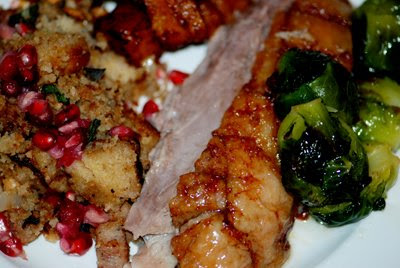
Come November, people inevitably start talking turkey. Food magazines arrive with sumptuous roasted birds on their covers, and TV shows all dole out advice on brining, basting, and carving, while the Butterball folks do a thorough ear swabbing to make sure panicky callers’ questions regarding turkey troubles come through loud and clear. I however, boycotted the Turkey Talk-Line® once again, opting for a bird of a different feather this year: duck.
I guess despite my love for the Macy’s Thanksgiving Day Parade and secret wish that one day I’ll win Megamillions and be able to afford an apartment on the Upper West Side from where I’ll be able to watch said parade while hosting lavish parties, I didn’t grow up with all-American Thanksgivings. I honestly can’t remember when or why we started observing Thanksgiving. Anyway, I now appreciate it mostly for its nondenominational quality; it’s a family holiday that people of all races and creeds can participate in and enjoy and be thankful (or not-so-thankful, as the case may be) for. That being said, I have no deep-rooted loyalty to Thanksgiving’s mascot, the turkey.
Having never cooked duck at home before I was a little nervous, but it seemed fated to succeed. A few days ago I watched a mouth-watering Jamie Oliver episode where he slow-roasted a duck, then someone at work mentioned he was making slow-roasted duck for Thanksgiving and promised to send me the recipe, and wouldn’t you know it? It was Mr. Oliver’s! I took only the essence of the recipe, which was to generously salt the duck inside and out, cook in a 350˚F oven for 1 hour, then for an additional 1 ½ hours at 300˚F, twice or thrice ladling out (and reserving!!!) the duck fat. It was perfection – and a monkey could make it.
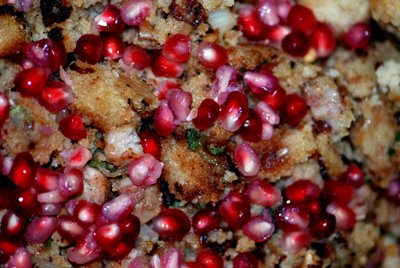
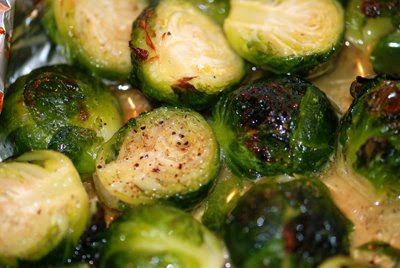
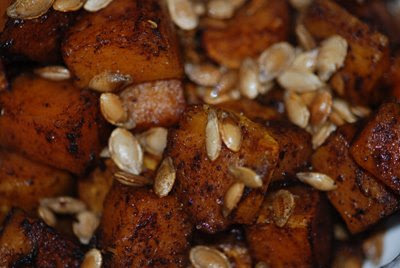
Last year there were about 10 of us at dinner, and I transported food across state lines – food I’d started preparing about two weeks in advance – but this year there were only three of us, and I decided I’d take it easy… No running around with half a pat of butter in my frizzy, frazzled hair, no cursing (OK, that’s a stretch – there’s always a little cursing in the kitchen), no sweating, no too-tired-of-looking-at-the-food-to-eat. No, this year, I watched the Macy’s parade and then the dog show (the Pointer won, but I was rooting for the Frenchie) and finally started roasting the duck at 4:00pm, beer in hand (I like to keep it classy). The sides – cornbread stuffing with duck sausage, toasted hazelnuts, sage, and pomegranate seeds; spiced roasted butternut squash with toasted squash seeds; and duck-fat roasted Brussels sprouts – came together once the duck was almost ready. It was the way to go – the secret was the no-nonsense, foolproof centerpiece. If we had a National Bird Show on Thanksgiving, I’m sure turkey would be Best in Show, but I’d still be rooting for the underdog – or duck.
BYE BYE BIRDIE
Hooray! It’s fall, at long last! It’s been unseasonably and uncomfortably warm around these parts but last night the fever finally broke and gave way to a gloriously crisp, gusty evening. I love fall. It makes me think of spiced apple cider, fresh baked cookies, and Charlie Brown. But I love it most of all because in just a few short weeks I can start playing Christmas carols and nothing puts me in a better mood than carols – but more on that later.
Speaking of holidays, Thanksgiving is fast approaching, and even though I am not American, it’s been a part of my calendar for years now. As such, preparing the menu for said evening is a portentous event in and of itself. Everyone’s appetite needs to be satiated, everyone’s palate engaged, and of course, all of the staple Turkey Day items represented at the table. In recent years we’ve been moving away from The Bird, though, because let’s face facts: even when properly cooked, turkey is nothing but a Brobdingnagian chicken that serves as nothing but a bed for gravy. Pilgrims, fresh off the Mayflower in 1621, were, I believe, responsible for the McDonald’s super-size me mentality. In short, why do we need Big Bird when there are a variety of daintier, more flavorful versions of poultry that would serve just as well? I am proposing little Cornish hens this year – I shall report back on how the suggestion is greeted.
Also, in deciding to push turkey aside, we’ve been able to welcome large roasts of beef and lamb to the Thanksgiving table, and both have been wildly successful. Big celebratory banquets are the only times you can indulge in these bigger cuts because they are expensive and yield too much for two or three people to eat. I’d like to revisit rib roast this November – succulent, rich, meaty. Need I say more?
Please check in during the coming weeks – I’ll be doing a few Thanksgiving item trial runs.